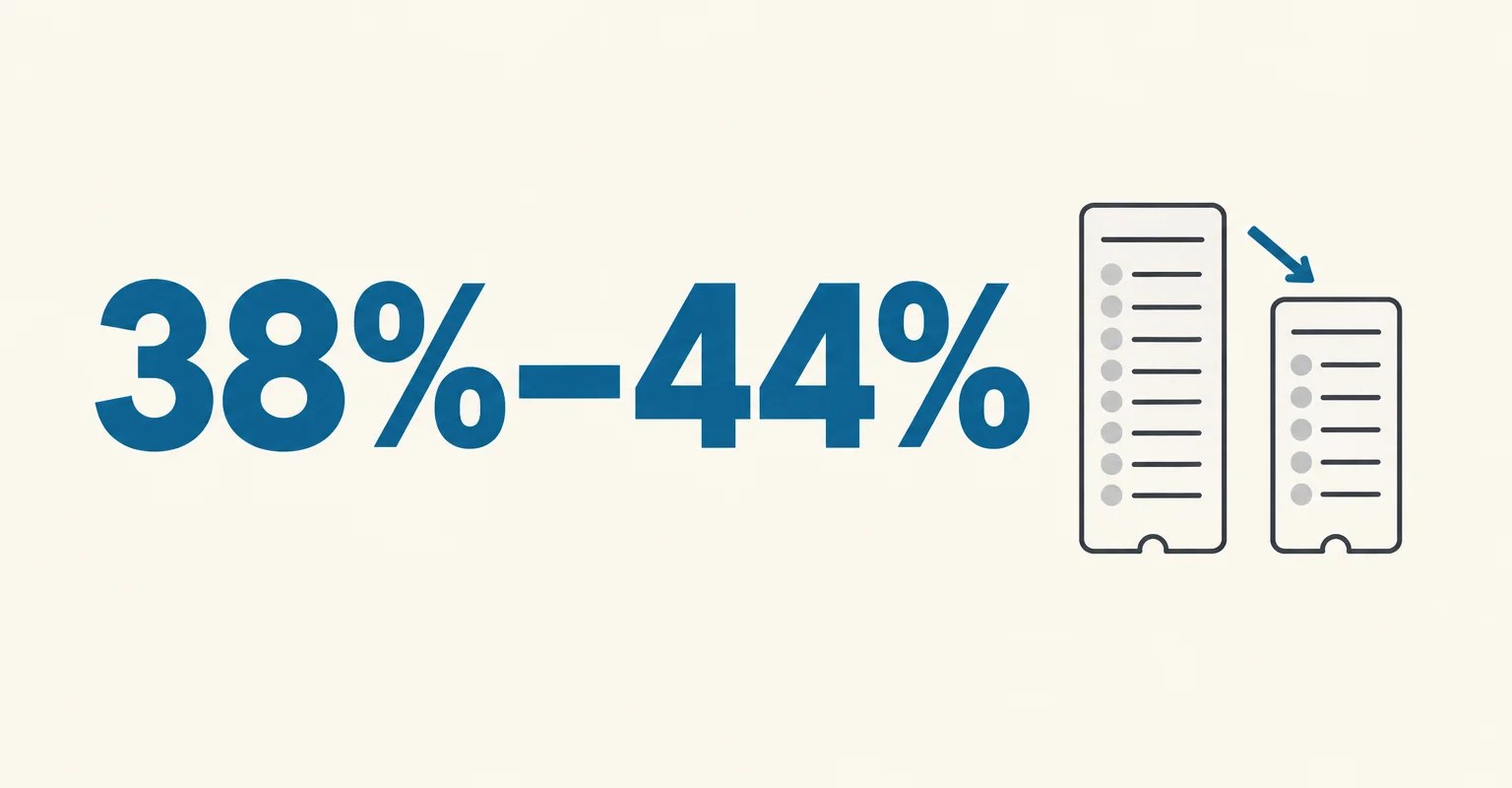
A new Brazilian study estimated that 38% to 44% of online bets in the first half of 2026 were placed with illegal operators, down from a 41% to 51% range in an earlier survey.
The findings suggest that regulation and enforcement are beginning to bite, although the unlicensed market remains large. The study still pointed to heavy use of betting sites that do not meet the rules now in force in Brazil.
In a release dated 11 August, the Brazilian Institute for Responsible Gaming said the report, titled “Sizing and Combating the Illegal Betting Market in Brazil”, was prepared by LCA Consultores using data from the Locomotiva Institute’s “Incidence of Illegal Betting in Brazil” research. That fieldwork was carried out in May across Brazil and collected responses from 2,291 gamblers.
The survey found that, in the three months before it was conducted, 53% of respondents had placed bets on sites that did not require facial recognition. It also found that 48% had used domains ending in something other than .bet.br, the domain reserved for licensed entities.
The same study said 37% had made deposits by credit card and 23% by cryptocurrencies. Those payment methods are not accepted in the regulated market.
Beyond the headline estimate, the report described a market in which informal play remains common. About 51% of respondents said they used platforms where informal practices were carried out, 36% said those platforms were where they placed most of their bets, 8% said they accounted for about half of their bets, and 6% said they were where they placed the fewest bets.
Carlos Lima, the institute’s executive president, said the numbers show that federal regulations and measures against illegal platforms are beginning to produce concrete results. Eric Brasil, a director at LCA Consultores, said the estimate points not only to a smaller illegal market, but also to less uncertainty about its size.
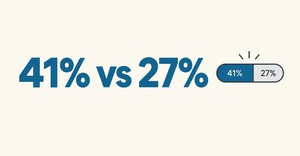
Renato Meirelles, president of the Locomotiva Institute, said the study showed only a slight reduction in illegal betting, but that it remained at high levels, with half of Brazilian bettors operating in the unlicensed market.
The report said 77% of bettors fully or partly agreed that illegal sites do not comply with rules and norms to promote responsible gambling. It added that 13% neither agreed nor disagreed, while 5% partly disagreed and 5% strongly disagreed.
The broader context is a market that has been regulated since 1 January 2025. According to the release, only licensed operators may legally operate, and they must meet tax obligations, operational standards and bettor-protection requirements.
IBJR said that in the first year of the regulated market, betting companies contributed R$9.95 billion in taxes and legal allocations. It also said each platform paid R$30 million in concession fees, and that regulated operators invested about R$7.5 billion in share capital and generated an estimated 15,500 direct and indirect jobs.
The new estimate follows an earlier IBJR study released in June 2025, which put the illegal share of the market at 41% to 51% and estimated that irregular betting was costing public coffers as much as R$10.8 billion a year.