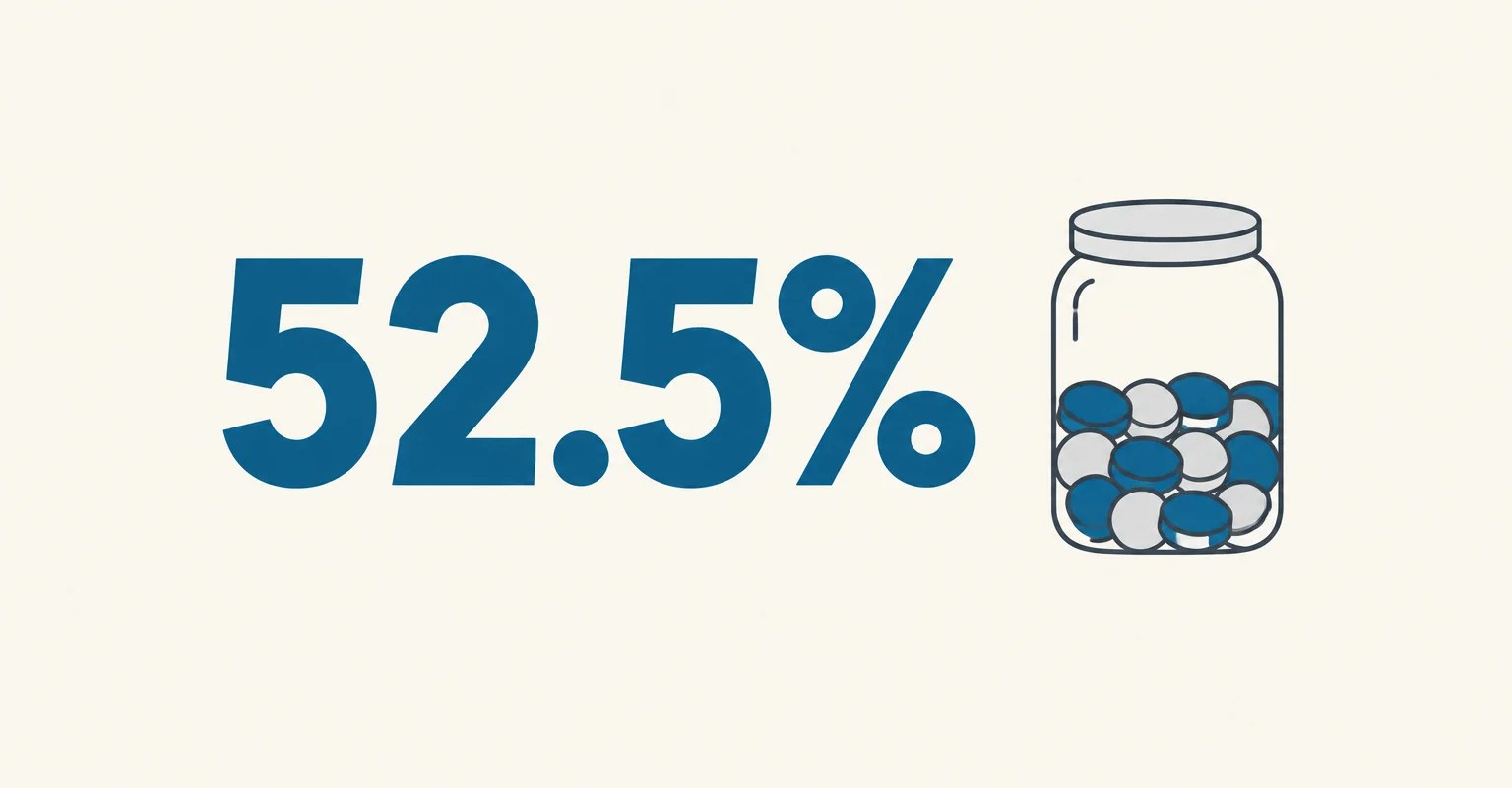
A Rutgers University study has found that 52.5% of Americans ages 13 to 27 gambled in the previous year, including 42.7% of adolescents ages 13 to 17. The researchers said 5.4% of the full sample met their threshold for high-risk problem gambling, in what Rutgers described as the first national prevalence study of U.S. adolescents and young adults in nearly 20 years.
The survey of 1,677 people examined 21 traditional, gambling-like and emerging activities, including sports betting, casino games, lotteries, cryptocurrency trading, social casino games and prediction markets. It was conducted from April 24 through July 4 using NORC’s AmeriSpeak panel, with results weighted to national population benchmarks. The maximum margin of error was plus or minus 3.2 percentage points overall and 6.1 points for teenagers.
Among those who had gambled during the year, 39.5% showed at least some symptoms of problem gambling and 10.3% were classified as high risk. The high-risk share was 10.8% among adolescent gamblers, broadly similar to the 11.3% recorded among gamblers ages 21 to 27. Rates were also similar between female gamblers, at 10.7%, and male gamblers, at 9.9%.
The sharpest rates were recorded among users of newer or gambling-like products. About 40% of prediction-market bettors and 41% of social-casino players were classified as high-risk problem gamblers, nearly four times the rate associated with other gambling activities. Prediction markets allow participants to trade contracts tied to future events, while social-casino games simulate casino play and may initially be free.
The research identified an additive relationship between gambling involvement and problem-gambling risk. Earlier and more frequent gambling, using a greater number of products, and participating both online and in person were all associated with greater risk.
Nearly 46% of gamblers used both online and in-person venues. Among high-risk problem gamblers, 65.4% used both settings and 52.5% gambled at least weekly. High-risk respondents took part in an average of 6.7 activities, compared with 2.7 among gamblers without problems.
Household exposure was another significant association. Overall, 41.1% of respondents said a family or household member gambled, rising to 51.5% among adolescents. Young people who believed a household member had a gambling problem were more than five times as likely to be high-risk problem gamblers, while those who gambled with a relative were more than four times as likely.
Gamblers also reported higher rates than nongamblers of alcohol use, binge drinking, drug use, excessive social-media use and excessive shopping. Within the high-risk group, 52.8% reported anxiety, 38.4% depression and 13.1% suicidal ideation.
The report was written by Lia Nower and Jackie F. Stanmyre of the Rutgers Center for Gambling Studies and funded through an International Center for Responsible Gaming Center of Excellence grant. The researchers called for prevention to begin earlier, broader screening and policy that reflects a gambling environment increasingly available through products young people can access.
“We cannot wait until young people reach adulthood to begin addressing gambling-related harm,” Nower said. “Prevention must start earlier, screening must be broader, and public policy must recognize that the gambling environment has changed dramatically.”