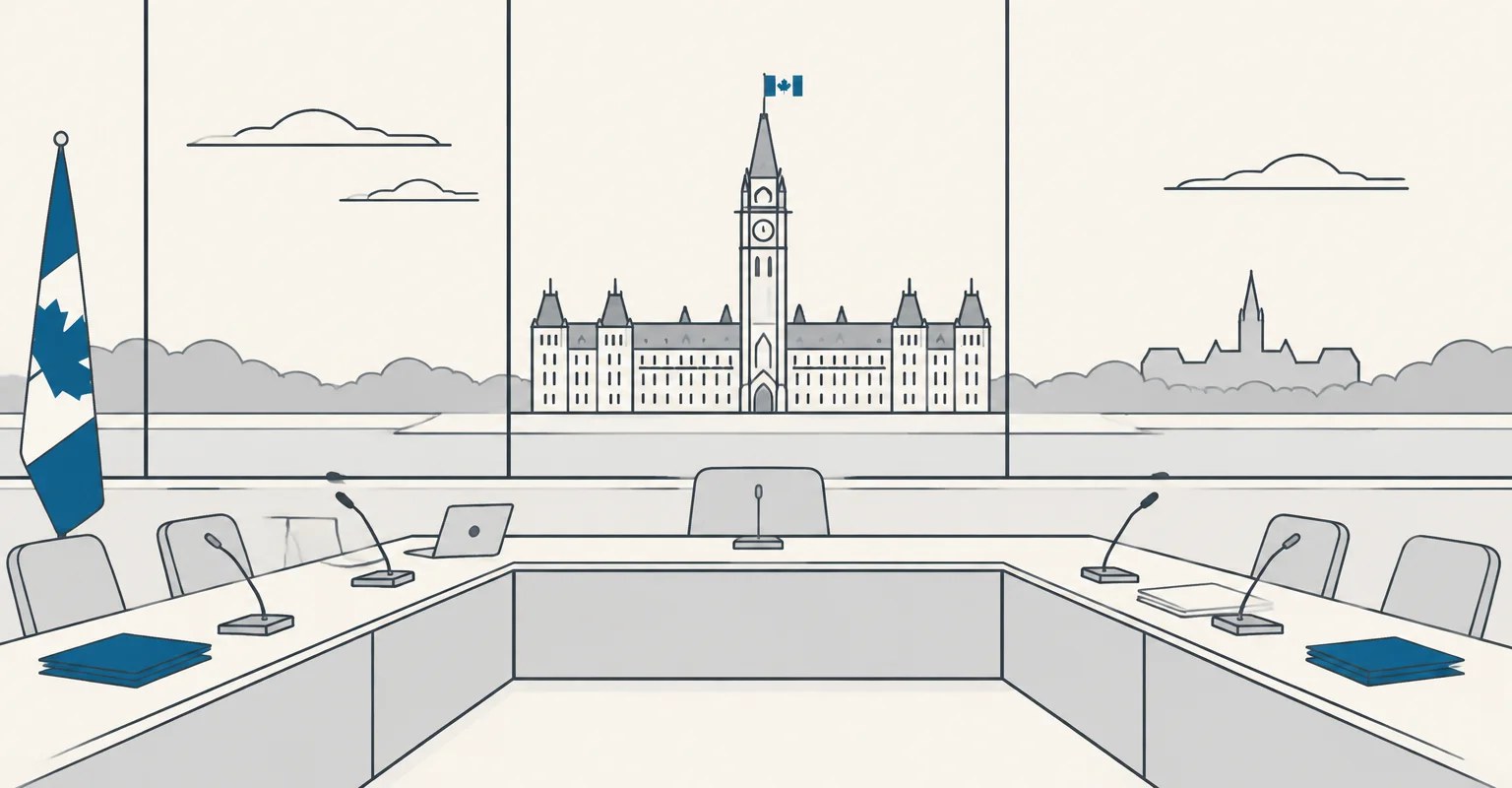
Canada’s Parliament is considering Bill S-211, a measure that would set up a national framework for sports-betting advertising and national standards aimed at reducing risks to people harmed by gambling. The bill has passed the Senate and is before the House of Commons’ Standing Committee on Canadian Heritage, which was scheduled to vote in late October.
The proposed law would not itself impose an immediate blanket ban on gambling promotion. Instead, it would require the federal government to develop a national strategy and advertising standards, while asking the Canadian Radio-television and Telecommunications Commission to assess whether its rules and policies adequately reduce harms from the growth of sports-betting advertising.
If the committee approves the measure, it would move to a third and final House of Commons reading. Bardish Chagger, the Waterloo MP sponsoring the bill in the House, has said she wants eventual restrictions on promotions during live sporting events and on sportswear, limits on advertising hours, and a ban on athlete and celebrity endorsements. Senator Marty Deacon initially led the bill through the Senate.
The debate has been sharpened by a University of Bristol and CBC News analysis of seven televised 2026 NHL playoff games involving Canadian teams. It recorded about 3,000 gambling messages, or two to three a minute, spanning commercials and betting logos on rink boards, jerseys and helmets. About 95% of the recorded messages included no harm-reduction or age-restriction information.
The research also highlights why broadcast restrictions may not be confined to commercial breaks. Raffaello Rossi of the University of Bristol said branding placed around stadiums and on player equipment can persist in highlights, news coverage and social-media posts. A 2024 CBC Marketplace study with the same research team found up to three gambling advertisements or product placements a minute across five NHL games, suggesting the volume has remained high.
Public-health groups have called for federal action. A coalition of 12 mental-health organizations, including the Canadian Mental Health Association and Public Health Physicians of Canada, and 28 addictions researchers have asked Parliament to act. The Canadian Centre on Substance Use and Addiction has said repeated advertising that links betting with sport and celebrity endorsements can normalize gambling, particularly among young people and young adults.
The bill has drawn opposition from some provinces. Ontario Attorney General Doug Downey has argued that the province should retain control because it already has advertising standards and consumer protections under its online-gaming framework, which came into force in 2022. Alberta has warned that a federal system could duplicate provincial regulation and threaten provincial revenue.
The Canadian Gaming Association, which represents 80 casino and online sports-betting companies, likewise opposes national rules. It argues that advertising steers consumers toward regulated operators that are subject to oversight, consumer-protection requirements and responsible-gambling standards.
The present debate follows the expansion of legal single-event betting after the Canadian Senate approved Bill C-218 in June 2021, giving provinces and territories discretion to conduct and manage it. Ontario opened its online market to privately owned international operators in April 2022; by December 2023, 49 companies operated 72 gambling websites in the province. The Canadian Centre on Substance Use and Addiction said the policy changes made gambling advertising especially visible in live sports broadcasts.
Several European countries have already adopted stricter limits. Belgium, the Netherlands, the United Kingdom, France and Germany restrict gambling advertising to after 9 p.m., while Belgium, Italy and Spain have introduced near-complete bans on sports sponsorship.