The NCAA Division III Management Council has approved updated sports-betting reinstatement guidelines that soften penalties for some first-time student-athlete violations, but only when the case does not involve integrity concerns and the athlete takes part in clinical evaluation or support. The amendment applies to the Division III Committee on Student-Athlete Reinstatement guidelines and was approved effective immediately.
According to the NCAA, the policy reflects a student-first approach. The committee says it tries to put the student-athlete back in the position they would have occupied before the violation, while still protecting the association’s values, and it considers the totality of the circumstances, the student’s well-being and fairness when it decides a case.
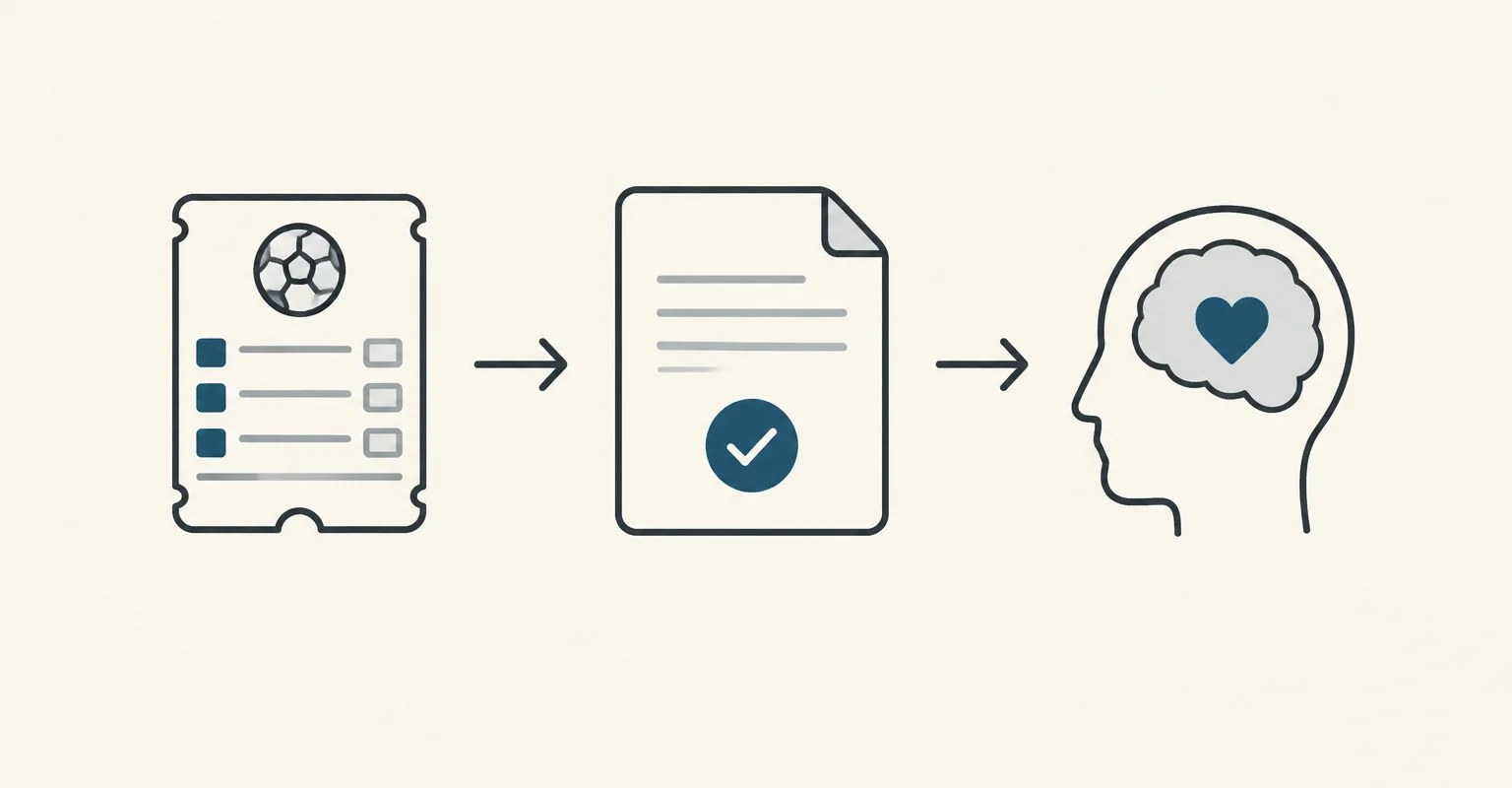
The new framework draws a sharper line around lower-level wagering and conduct that touches competition integrity. For a first violation that does not involve integrity concerns, a student-athlete may be eligible for penalty reduction if they have already enrolled in an evidence-based management programme overseen by a licensed mental health professional or another appropriate health care professional, if they commit to enrolling before returning to competition, or if they have been evaluated and found not to need a formal management programme. If none of those conditions is met, the athlete is not eligible for relief, and the committee says they should not return until a professional determines they are safe and stable to do so.
The guidelines define integrity concerns as contest manipulation, point shaving, wagering on one’s own performance or team, or misuse of insider information. For violations reported on or after 2 May 2023, point shaving, betting on a student-athlete’s own institution, or knowingly sharing information with people involved in sports wagering can trigger a significant withholding condition, including the possibility of permanent loss of eligibility in all sports.
By contrast, student-athletes who wager only on professional sports are required to complete sports wagering rules and prevention education. The same education requirement applies when a student-athlete wagers on both professional and intercollegiate competition, although the guideline says the two sets of wagers are handled separately.
For other Bylaw 10.3 violations reported on or after 2 May 2023, the committee uses a dollar-based scale. Wagers of $200 or less bring education only. Amounts above $200 to $500 carry a 10% withholding condition plus education, bets above $500 to $800 bring a 20% withholding condition, and wagers above $800 bring a 30% withholding condition, with staff told to consider even more withholding if the impermissible wagering greatly exceeds $800. Any winnings must be repaid in full.
The document also shows how the committee has treated earlier cases. For violations between 25 April 2018 and 1 May 2023, point shaving or wagering involving a student-athlete’s institution started at permanent loss of eligibility in all sports, while internet, bookmaker or parlay-card betting began at a sit-a-season, charge-a-season standard. Other Bylaw 10.3 violations in that period were handled through smaller dollar bands, beginning at $25.