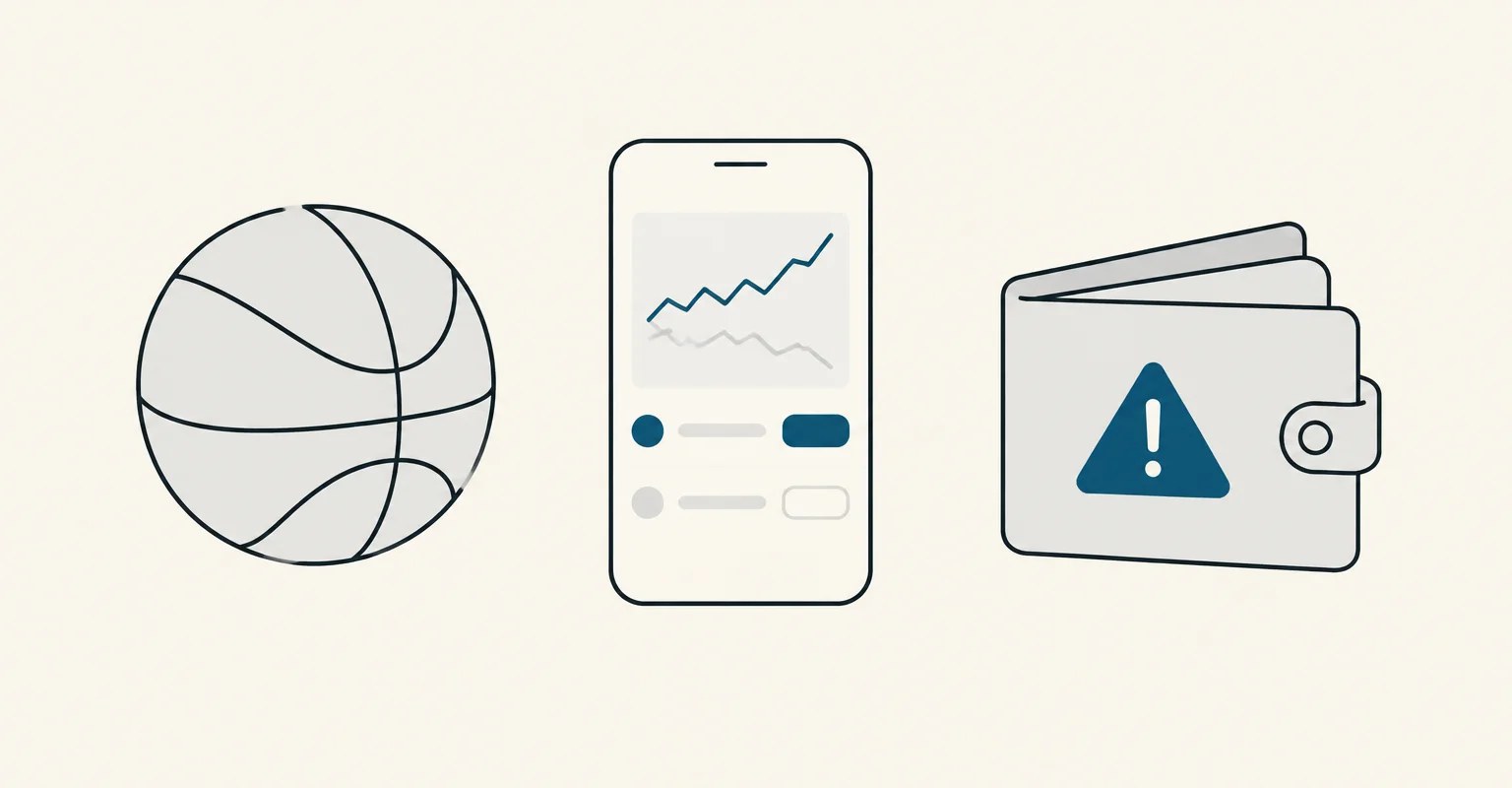
The NBA and WNBA have announced a responsible-gaming campaign with the National Council on Problem Gambling that will address the financial risks of sports betting and prediction markets. The campaign, announced Oct. 13, is due to begin during the 2026-27 NBA season and is aimed particularly at young adults.
A new campaign spot will run on social and linear platforms through NBA- and WNBA-owned channels and their partners. It will tell fans that knowledge of sport does not protect their money, and that betting or trading on outcomes should be entertainment rather than a way to generate income.
The initiative will urge participants to understand the risks, set limits on the time and money they spend, and avoid putting up money they cannot afford to lose. It will also advise those whose participation becomes hard to manage to seek support, recognising that the consequences can extend beyond finances to mental well-being and relationships with family and friends.
The leagues will direct fans to ResponsiblePlay.org for education and resources. The National Problem Gambling Helpline is available free and confidentially around the clock by call or text at 1-800-MY-RESET.
The effort builds on the NBA’s existing responsible-gaming education work with NCPG and brings that work to WNBA audiences. Scott Kaufman-Ross, the NBA’s head of media distribution and partnerships, said the changing ways people engage with sport made it important that fans understand the risks of putting money on outcomes.
An NCPG-commissioned Harris Poll released in March found that, among adults aged 21 to 44, 33% said they had placed a sports bet before turning 21, compared with 11% of those aged 55 and older. Overall, 65% of adults 21 and older said they had participated in at least one form of gambling before age 21.
The survey of 2,072 U.S. adults also found that 66% of Americans were concerned about underage exposure to gambling or gambling-like activities. Thirty percent viewed prediction markets as most similar to gambling, while 24% likened them to financial forecasting and 18% to investing.
Separate research covered by NBC News found that gambling-disorder diagnoses in states that had legalised sports betting rose from 3.0 to 4.8 per 100,000 people between 2018 and March 2026. The researchers cautioned that the trend could not be attributed to any single legal event, citing potential influences including health-care changes, telehealth, clinician awareness and coding practices.
The NBA and WNBA said further details, including the campaign’s creative and its debut timing, will be announced later.